How culture strategy make movements stick

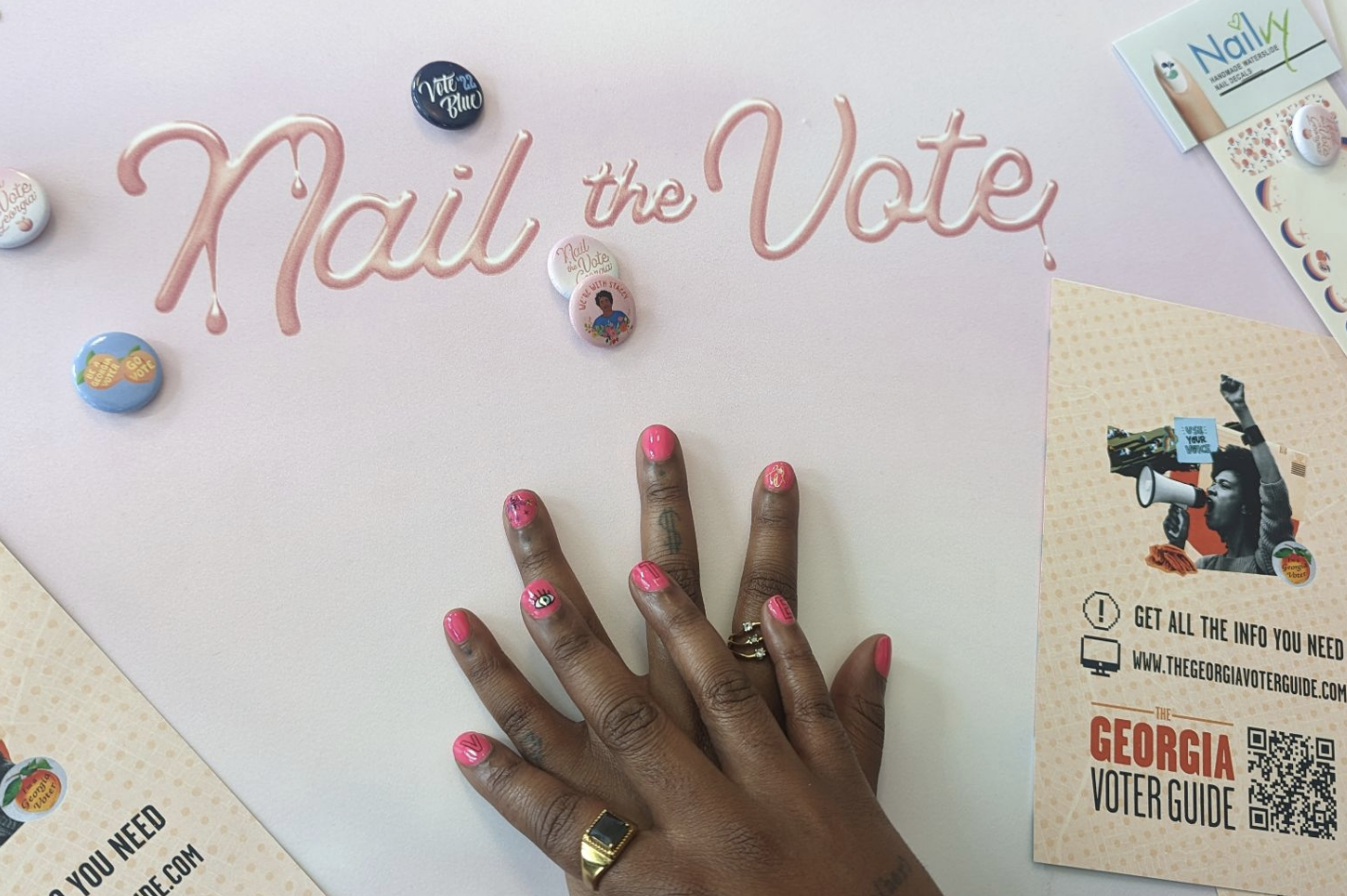
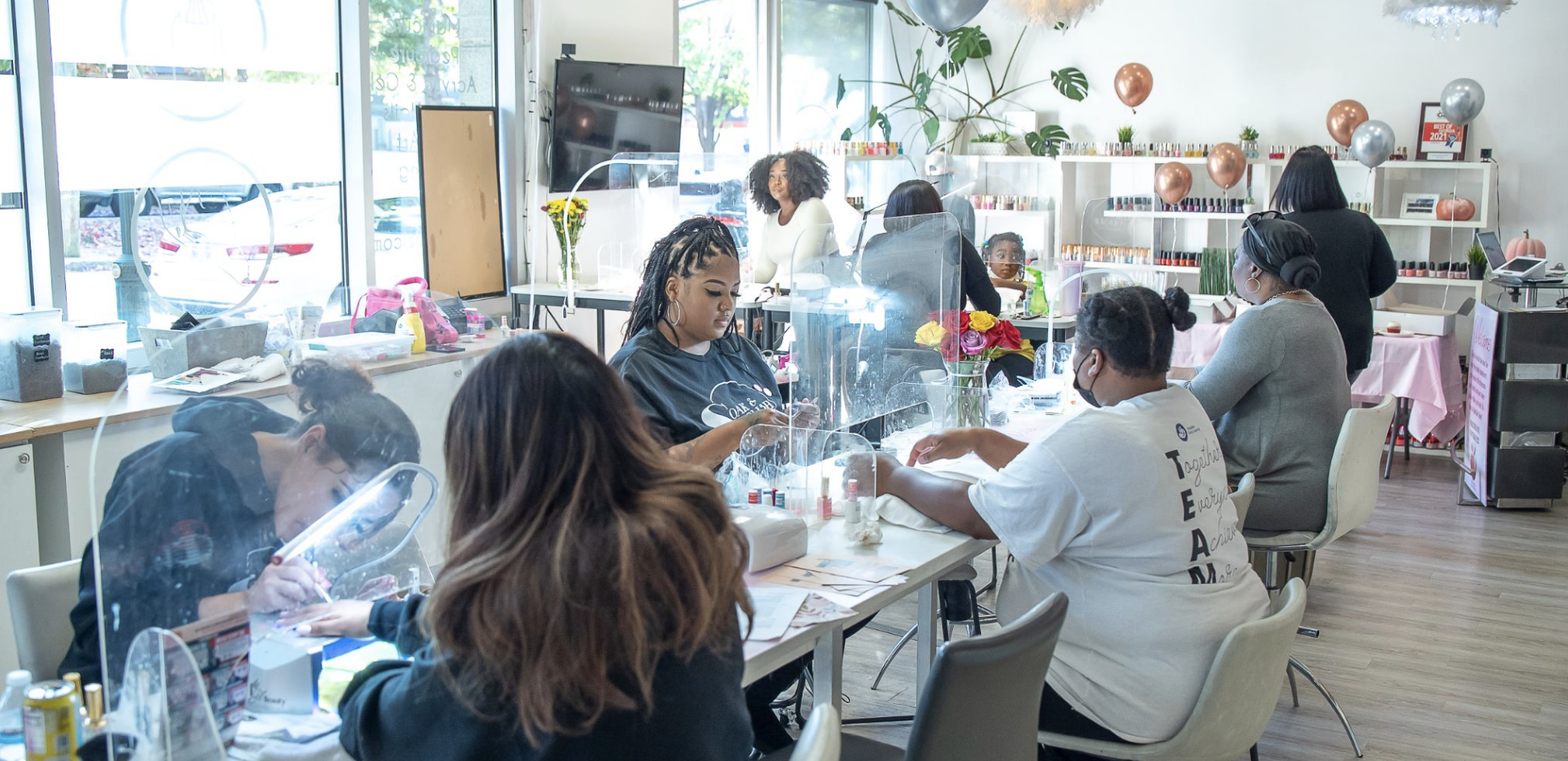
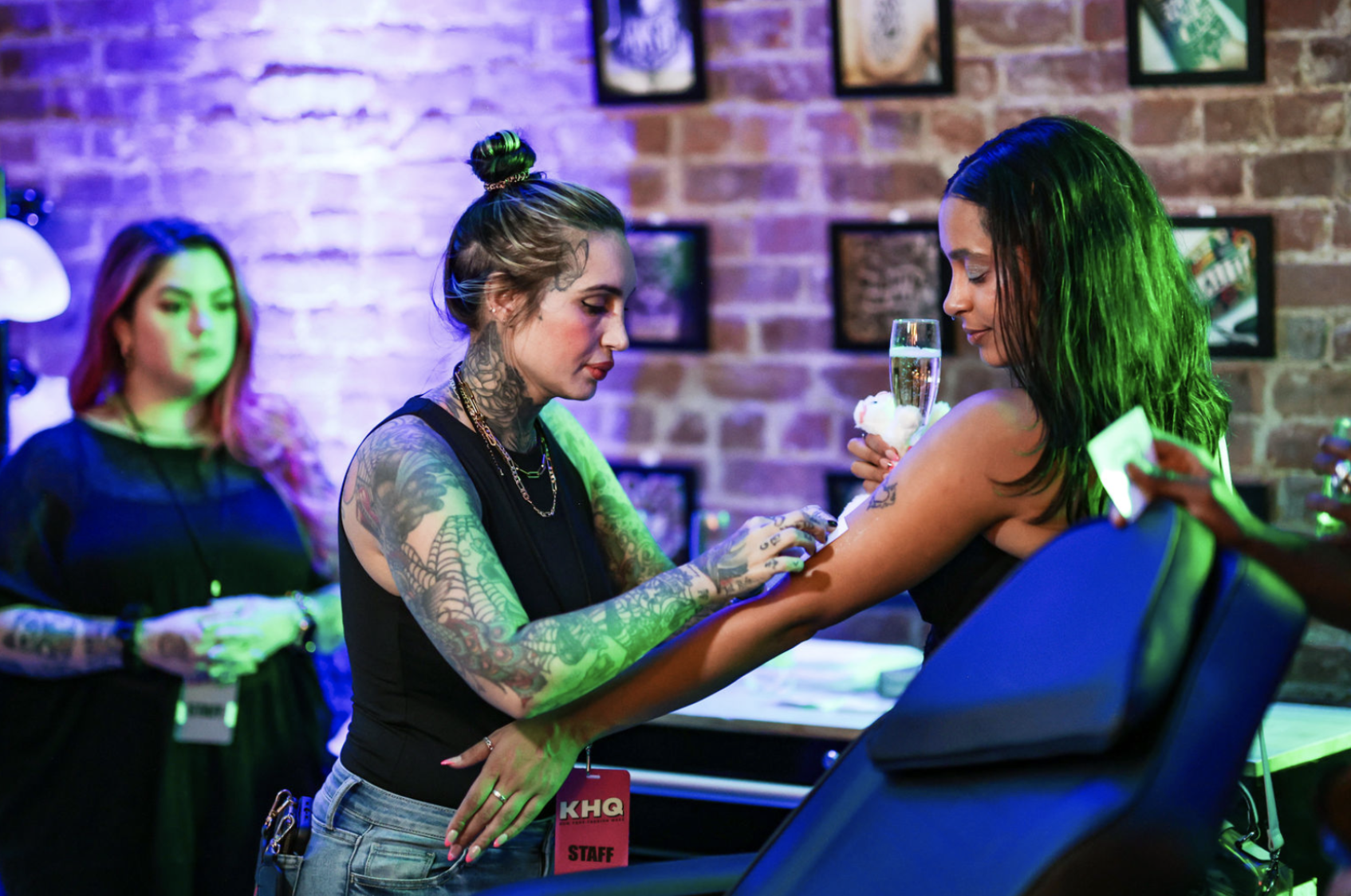
“F/ck Bans. Beauty Bar”, 2024
Image Source: TaskForce Website
Most campaigns are still built as if culture is something you add at the end: a visual identity, a clever slogan, a celebrity endorsement to help the message travel further. The strategy is assumed to live elsewhere, in policy briefs, talking points, or calls to action.
But culture isn’t something you slap on as an afterthought – it shapes what people pay attention to, how we make meaning and form identity, and what feels possible, often long before we ever encounter a campaign slogan or visual. When organizations ignore this, campaigns often fail not because the issues lack importance, but because they operate outside the spaces where people already live emotionally and culturally.
A culture-centric strategy
This is the starting point of a culture-centric strategy: the recognition that people don’t experience politics, justice, or social change primarily through policy papers or advocacy briefs. They experience them through everyday moments like music, fashion, memes, language, aesthetics, humor, and shared rituals. If movements want to mobilize people at scale, they have to learn how to move within culture – not just broadcast messages into it.
This is the premise of a culture-centric strategy, articulated by Yosi Sergant, Founder of TaskForce – an agency that works with movements, institutions, artists, and organizers to design cultural engagement strategies that live inside culture, rather than adjacent to it. In our recent capacity-building sessions with civic leaders across Europe, Sergant unpacked how working in culture helps movements build lasting public will, not just fleeting attention.
As Sergant puts it, “Culture is where people already are. If you’re not working there, you’re asking people to come to you – and most won’t.”
“Culture is where people already are. If you’re not working there, you’re asking people to come to you – and most won’t.”

Moving beyond campaigns that preach
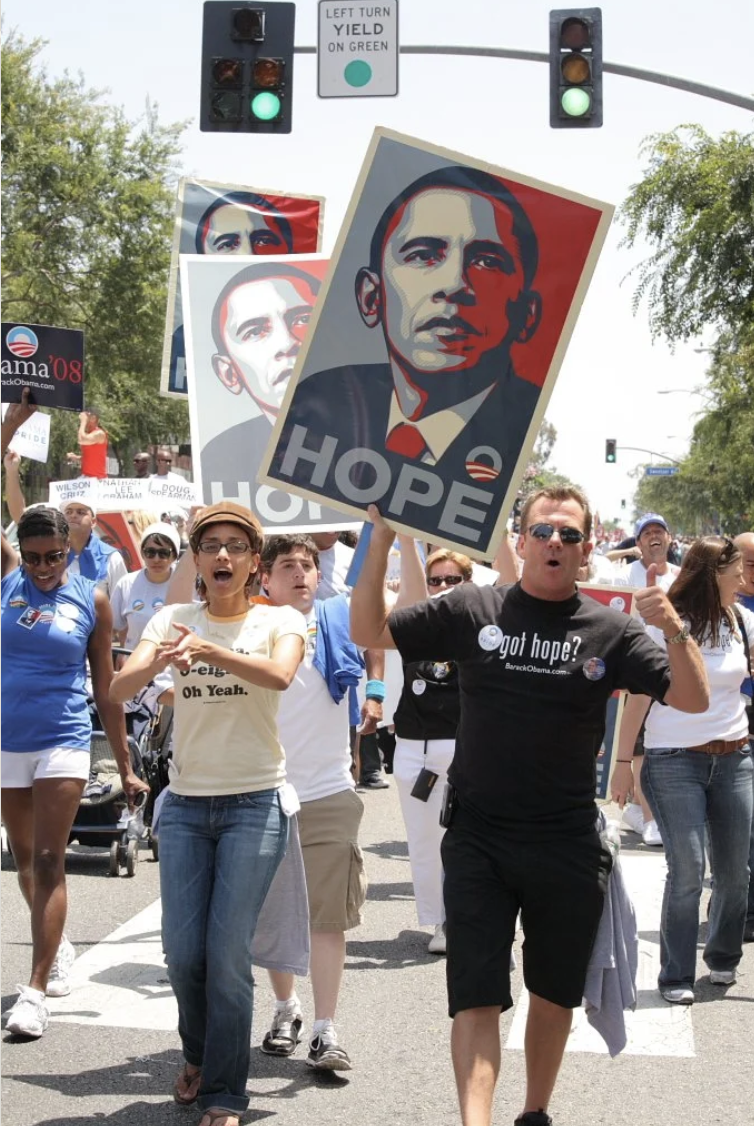
Sergant’s own work blends community organizing, art, and strategic communication. During the 2008 Presidential campaign, Sergant engaged artists from across the globe in support of Barack Obama, the most prominent of which is the now ubiquitous HOPE campaign he managed with artist Shepard Fairey – a piece of culture that outlived the election not because it explained policy, but because it entered people’s everyday lives: on walls, on shirts, on social media feeds – and became a shared symbol of identity and future vision.
Founded after Sergant’s roles in the White House Office of Public Engagement and the National Endowment for the Arts, TaskForce is built on the idea that public will is shaped through culture, where meaning and messaging are woven into everyday practices rather than imposed through traditional campaign communications.
“ We’re not trying to convince people with better arguments. We’re trying to create conditions where caring feels natural.”
The agency supports organizations and movements to design cultural moments that help people see themselves in a cause long before they see a call to action. ТaskForce’s work often takes the form of:
Collaborations with designers and creatives to build shared symbols and interventions
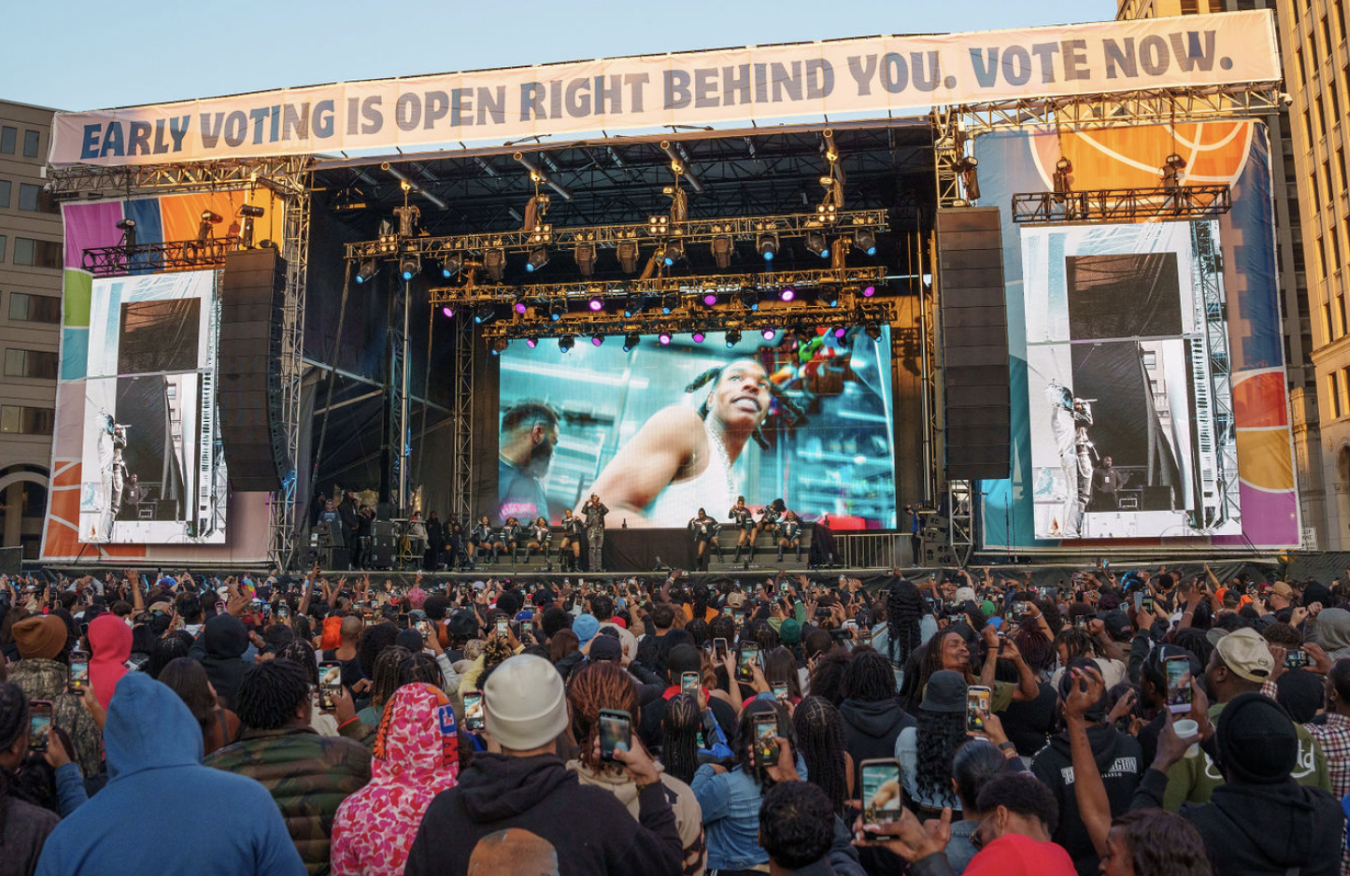
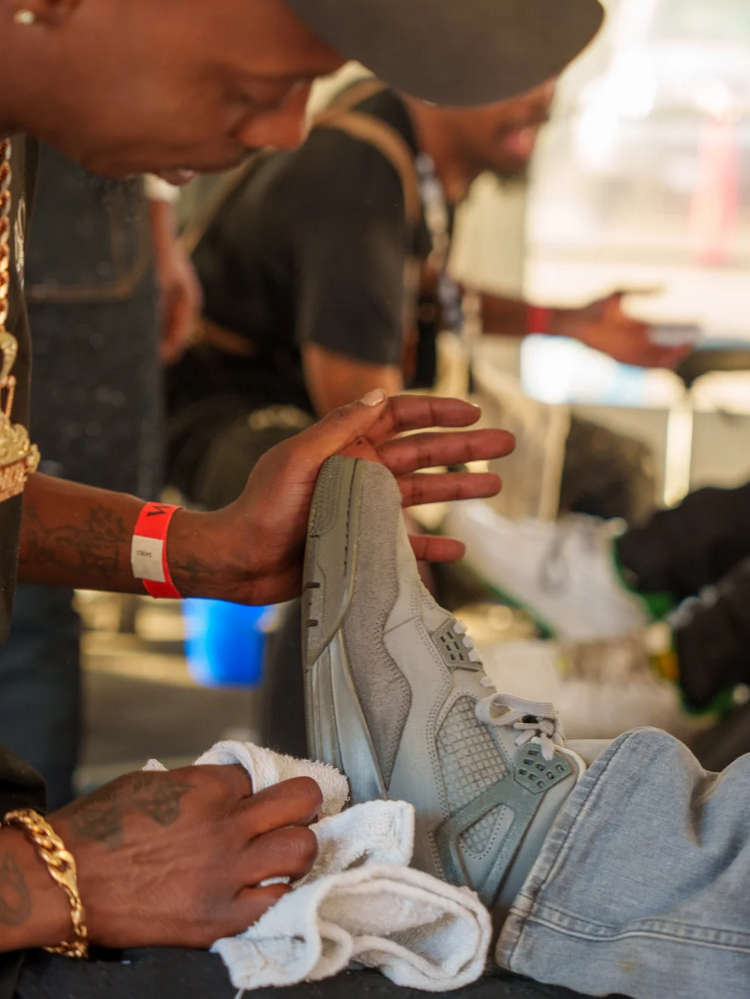
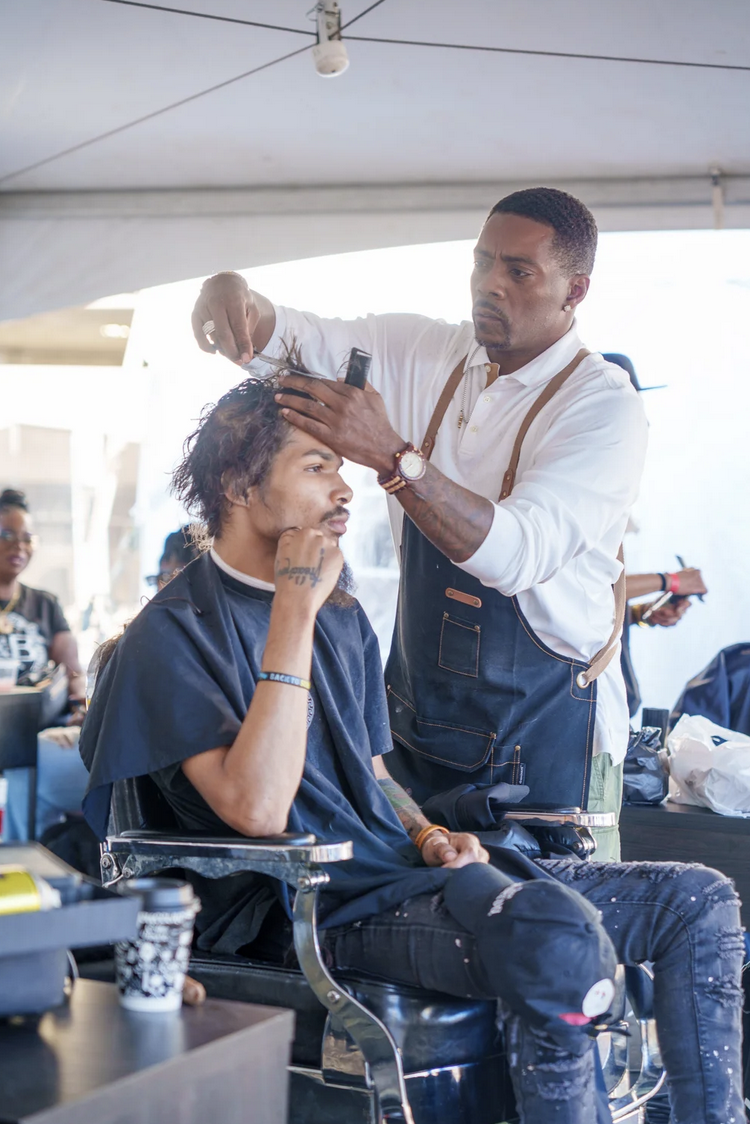
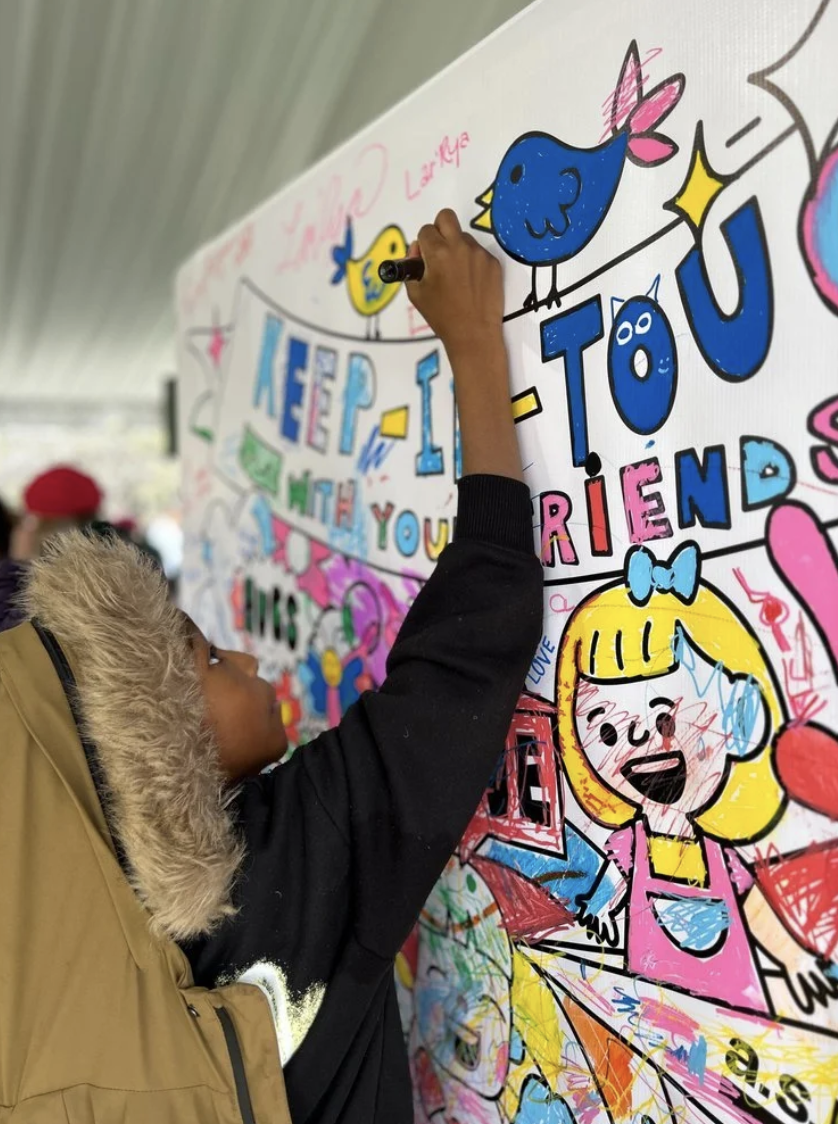
Community engagements in everyday spaces, like barbershops, nail salons, or sport events
Public art installations and exhibitions that invite interaction or contemplation
Multi-sensory activations that feel native to the communities they aim to reach
What these approaches have in common is that they don’t simply broadcast a message (one-way communication) – they create cultural reference points that feel familiar, useful, or meaningful. “We’re not trying to convince people with better arguments,” Sergant says, “We’re trying to create conditions where caring feels natural.” In his work at TaskForce, Sergant describes engaging people through concerts, art events, and familiar community spaces – not to stage campaigns, but to work within cultural environments where trust and participation already exist.
People don’t experience politics, justice, or social change primarily through policy papers or advocacy briefs.
They experience them through everyday moments like music, fashion, memes, language, aesthetics, humor, and shared rituals.
Different kinds of engagement
An important insight that further deepens Sergant’s strategy is the distinction between mobilization and persuasion – because both are essential, but require different approaches.
Mobilization focuses on people who already care about an issue but have yet to act. This work often benefits from high-volume, shareable content and tools that help people engage others in their networks.
Persuasion aims to reach new audiences and involves careful listening, partnerships with trusted cultural leaders in those communities, and messages that meet people where they are rather than appealing only to a movement’s base.
Sergant emphasizes that conflating these two strategies rarely works: “People who are creating the same content for mobilization and persuasion are reaching no one,” he says. “You turn off your own people if you’re just preaching to them, and you turn off the persuadables if you’re using language that only works for your base.”
“People who are creating the same content for mobilization and persuasion are reaching no one”
Authenticity in cultural strategy
It’s tempting to think culture-centric strategy is about edgier visuals or “trendier” language. Sergant is clear that the aim is authenticity, which is not simply an aesthetic. It is about alignment between the movement’s values, the lived experience of communities, and the way a strategy feels to those it seeks to engage.
“When organizations borrow culture without respecting it, people feel it immediately,” he says. “You can’t fake fluency in spaces you haven’t listened to.” Authentic cultural strategies require humility, long-term engagement, and a willingness to share control with the communities whose culture is being engaged.
Sergant also acknowledges why many institutions hesitate to work this way. Culture-led strategies can feel riskier than traditional campaigns because they require letting go of tight message control and embracing uncertainty. Cultural engagement is harder to script, harder to predict, and harder to measure in the short term. Yet he argues that avoiding culture is itself a risk: when organizations rely only on familiar tactics, they often end up reinforcing echo chambers rather than expanding public will.
“When organizations borrow culture without respecting it, people feel it immediately. You can’t fake fluency in spaces you haven’t listened to.”
A practical framework for cultural organizing
Sergant outlines a practical framework to help organizations think more clearly about how to work in culture rather than simply around it:
Identify cultural traits:
This means understanding not just demographic data, but the interests, aesthetics, references, habits, and informal norms that shape how a community sees itself and the world.Map cultural leaders:
Rather than defaulting to formal spokespeople, this step focuses on identifying trusted voices within a community – artists, creators, organizers, musicians, designers, or local figures whose influence is rooted in everyday cultural life.Develop authentic tactics:
Finally, organizations should design engagement strategies that align naturally with existing cultural practices, rather than imposing unfamiliar formats or institutional language. The goal is not to insert a message, but to create cultural moments that feel credible, participatory, and worth sharing.
Culture creates durability, not just attention
One of the most profound strategic benefits of working in culture is durability. Movements come and go, campaigns have end dates, and policy wins can be reversed. Culture, once shifted, tends to persist because it shapes what people feel is normal.
By embedding ideas into everyday expression – in how people dress, joke, gather, and share – culture-centric work builds shared symbols and shared emotions that stay in circulation even as news cycles move on.
Campaigns may generate short-term attention, but long-term change depends on working in culture – shaping what feels normal, familiar, and worth caring about over time.

Cultural engagement is harder to script, harder to predict, and harder to measure in the short term. Yet avoiding culture is itself a risk.
Check out TaskForce’s work.
Learn more from Into Action, TaskForce’s movement of designers, illustrators and artists.
〰️
〰️

About Yosi:
Yosi Sergant has worked in organizing, communications and marketing for 15+ years. During the 2008 Presidential campaign, he engaged artists from across the globe in a vast viral movement in support of Barack Obama, including the now ubiquitous "HOPE" campaign he managed with artist Shepard Fairey. Sergant then served in the White House Office of Public Engagement, and the National Endowment for the Arts as Director of Communications.
He then launched TaskForce, a pro-social cultural strategy agency headquartered in Los Angeles and New York, that is behind some of the most notable public will campaigns of the past decade.