Hope as a strategy: 5 shifts that change everything
In moments of backlash, polarization, and democratic fatigue, activism often falls into a familiar rhythm. We document harm, expose injustice, and raise awareness about what is going wrong. The urgency is real, the problems are undeniable, and the instinct to react feels both necessary and human. Yet, as Thomas Coombes argues, this reflex can also limit our ability to create lasting change.
Coombes, the founder of hope-based, has spent more than two decades working in global political communication, including as Head of Brand at Amnesty International and as a speechwriter at the European Commission. Over time, he became increasingly frustrated with how social change communications are typically practised: heavily problem-focused, reactive to opponents, and often driven by fear. That frustration led him to develop hope-based comms, a practical framework grounded in neuroscience and psychology, designed to help movements shift attitudes, behaviours, narratives, and culture over the long term. He recently presented this approach during our capacity-building sessions with civic leaders across Europe, sharing insights from his work with organizations around the globe.
“Hope is believing that tomorrow can be better than today if we take action”
The power of hope
There is a deeply ingrained assumption in activism: that if people fully understood how bad things are, they would automatically act to change them. Hope is thus often dismissed as naïve or disconnected from reality. In activist spaces, it is sometimes conflated with optimism, positivity, or the idea that “everything will be fine.” Thomas Coombes is explicit in rejecting this interpretation. “Hope is believing that tomorrow can be better than today if we take action,” he notes. Hope, in this sense, is not about denying harm or avoiding difficult emotions, but about deciding that change is worth striving for – and committing to the work of getting there – even when outcomes are uncertain.
This matters because people do not make decisions through rational analysis alone. Our thinking is shaped by emotion, habit, culture, and subconscious pattern-making, and when people feel threatened or unsafe, fear tends to dominate, pushing them toward defensive, short-term responses focused on self-protection. This is why fear is such a powerful political force, and one we often revert too.
The uncomfortable implication is that fear-based campaigning, even when motivated by good intentions, can sometimes undermine the outcomes movements are trying to achieve. Constantly highlighting crisis, threat, and catastrophe may keep issues visible, but it can also leave audiences overwhelmed, paralyzed, or disengaged, making them more likely to seek strong leaders and exclusionary solutions.
“ Traditional communications raise awareness about how things are. Strategic communications change how we think, what feels normal, and what becomes common sense.”
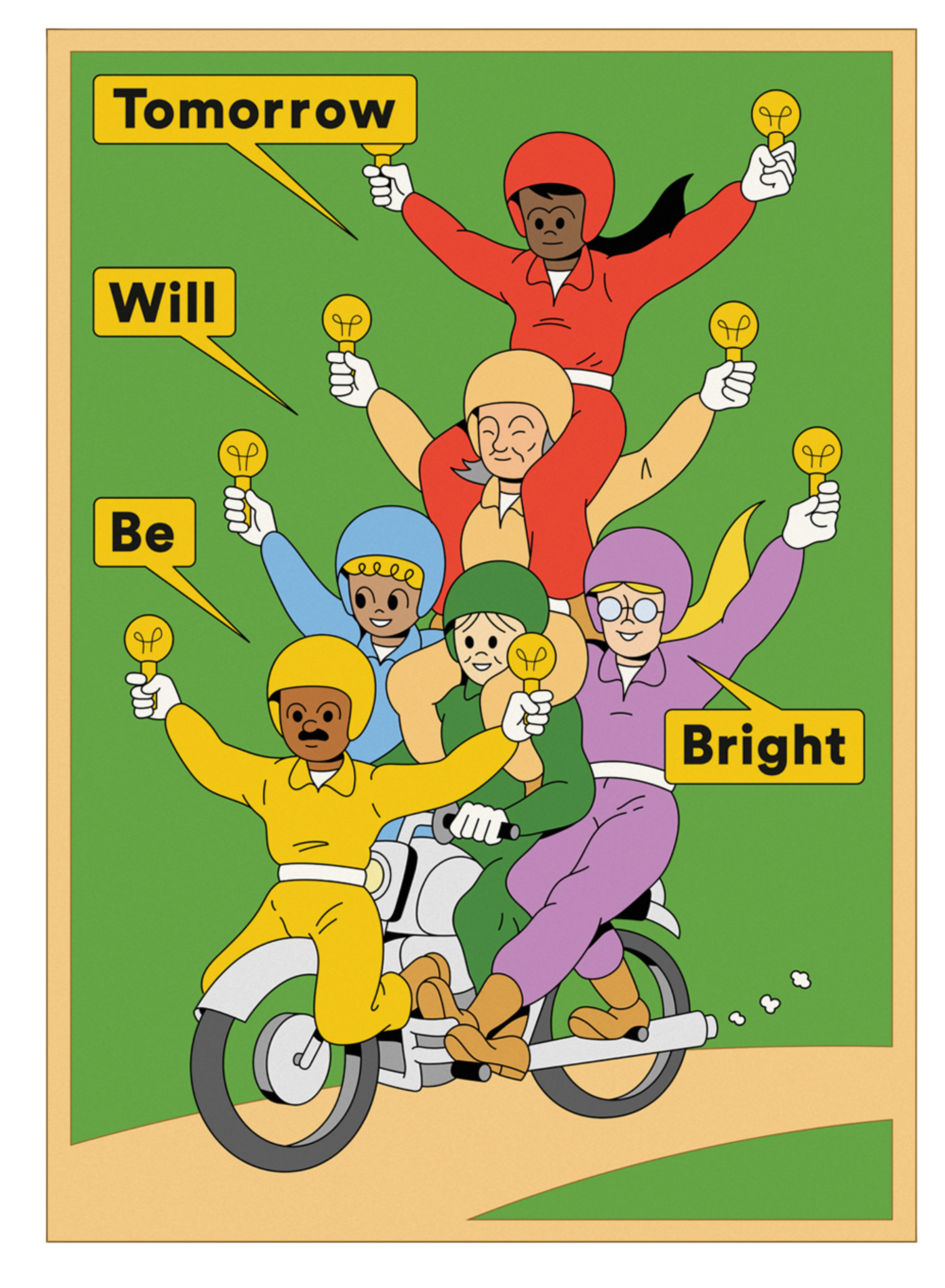
So while awareness is necessary, it is rarely sufficient. On its own, it does not show people what to do next, how change might realistically unfold, or where their effort fits into a larger trajectory. As Coombes puts it: “Traditional communications raise awareness about how things are. Strategic communications change how we think, what feels normal, and what becomes common sense.”
In this light, choosing hope is a strategic, science-grounded decision about how to shape attitudes, behaviours, and culture over time. When fear narrows imagination and pushes people toward withdrawal or exclusion, hope expands the sense of what is possible.
The five shifts of hope-based communications
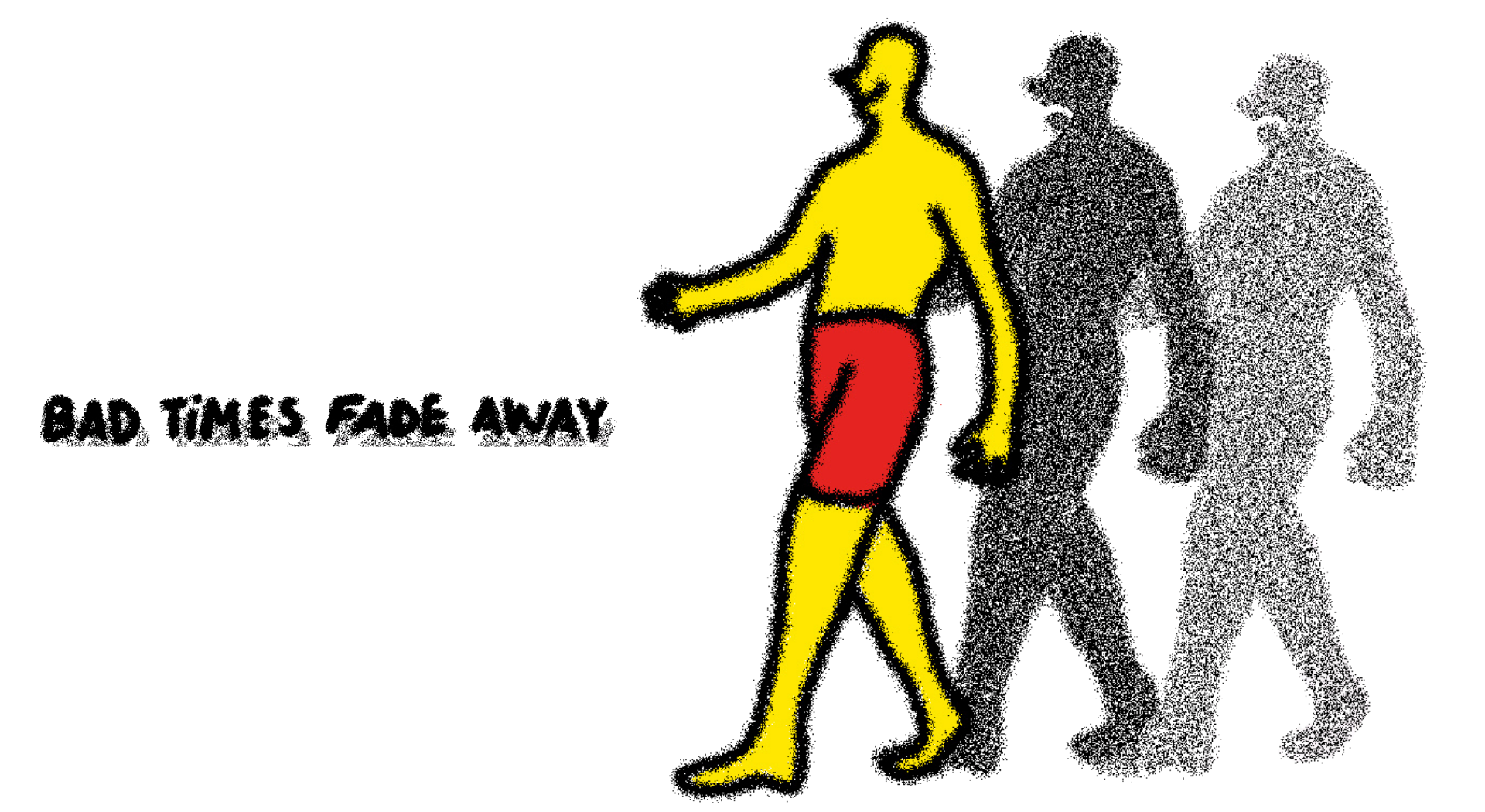
That’s where hope-based communications comes in. Informed by research across psychology, neuroscience, and social change, this approach is organized around five narrative shifts that help movements move away from reactive communications and toward long-term change. These shifts are not rules or formulas. They are prompts – ways of checking whether our communications reinforce fear and helplessness, or whether it builds agency, imagination, and shared purpose.
The first shift moves from fear to hope.
Fear narrows thinking and pushes people into defensive, short-term responses focused on self-protection. Hope, by contrast, activates empathy and reflection, and helps people stay engaged even in difficult moments. The goal is not to minimise or dismiss problems, but to avoid overwhelming audiences – and instead foster the belief that change is possible and worth pursuing.

The second shift moves from against to for.
Much activist communication is organized around opposition – naming what we reject, expose, or condemn. While this is often necessary, constant opposition can leave people unclear about what we actually stand for. Hope-based communications insist on articulating values, principles, and ways of living that movements want to make common sense, rather than allowing opponents to define the terms of debate.

The third shift moves from problem to solution.
Documenting harm is essential, but if problems are presented without alternatives, they quickly become normalized. From a brain-science perspective, people struggle to support change they cannot picture. This shift calls on communicators to make the future they seek visible, enabling audiences to imagine how life could work differently.

The fourth shift moves from threat toopportunity.
Messages framed primarily around loss, danger, or catastrophe can trigger fear responses that undermine cooperation and long-term thinking. Hope-based work reframes change as an opportunity to build something better, not just to avoid something worse. This does not remove urgency, but it redirects it toward possibility, momentum, and shared gain.
The fifth shift moves from victim to human.
Traditional advocacy often portrays people affected by injustice primarily as victims, which can unintentionally strip them of agency and complexity. Hope-based communications emphasise shared humanity, dignity, and participation, showing people not only as recipients of harm but as actors, neighbours, and contributors to change. This helps build empathy without reinforcing pity or distance.
Illustrations: Renata Miwa for Unbound Philanthropy and Fine Acts.
Training the hope muscle: applying the shifts
Taken together, the five shifts invite communications practitioners to step back and examine how their work is structured. Much social change communication is organized around reaction: responding to crises, countering opponents, documenting harm, or correcting misinformation. While often necessary, this reactive posture can dominate strategy, leaving little space to articulate where a campaign is actually trying to go.
A simple but powerful way to apply the problem to solution shift is to pair problems with an explicit alternative. This does not require abandoning critique or minimizing harm. It means placing problems in the context of change to give hope and a practical way forward. “If you don’t show people the change you want to see, their brains will fill in the gaps for you,” explains Coombes. A world without fossil fuels needs to be accompanied by a clear sense of what replaces them. A world without patriarchy needs to be described in terms of everyday relationships, power dynamics, and shared responsibilities. Without this, change remains abstract, and action – constrained.
Another practical step is to review messages and language, and ask how they make people feel, not just what information they convey. If a message primarily triggers fear or helplessness, it may be undermining the very capacity for action it seeks to inspire. Messages built around constant rebuttal or negation can be replaced with language that affirms values and intentions. Over time, repetition helps new ideas feel familiar rather than radical.
Hope-based communications also recognize that change spreads socially. Behaviour rarely shifts through argument alone – people are far more likely to imagine acting differently when they see people like themselves doing so. Stories that centre alternative ways of acting make new behaviours feel possible and relevant. This insight has significant implications for work on issues such as gender-based violence, migration, or social inclusion.
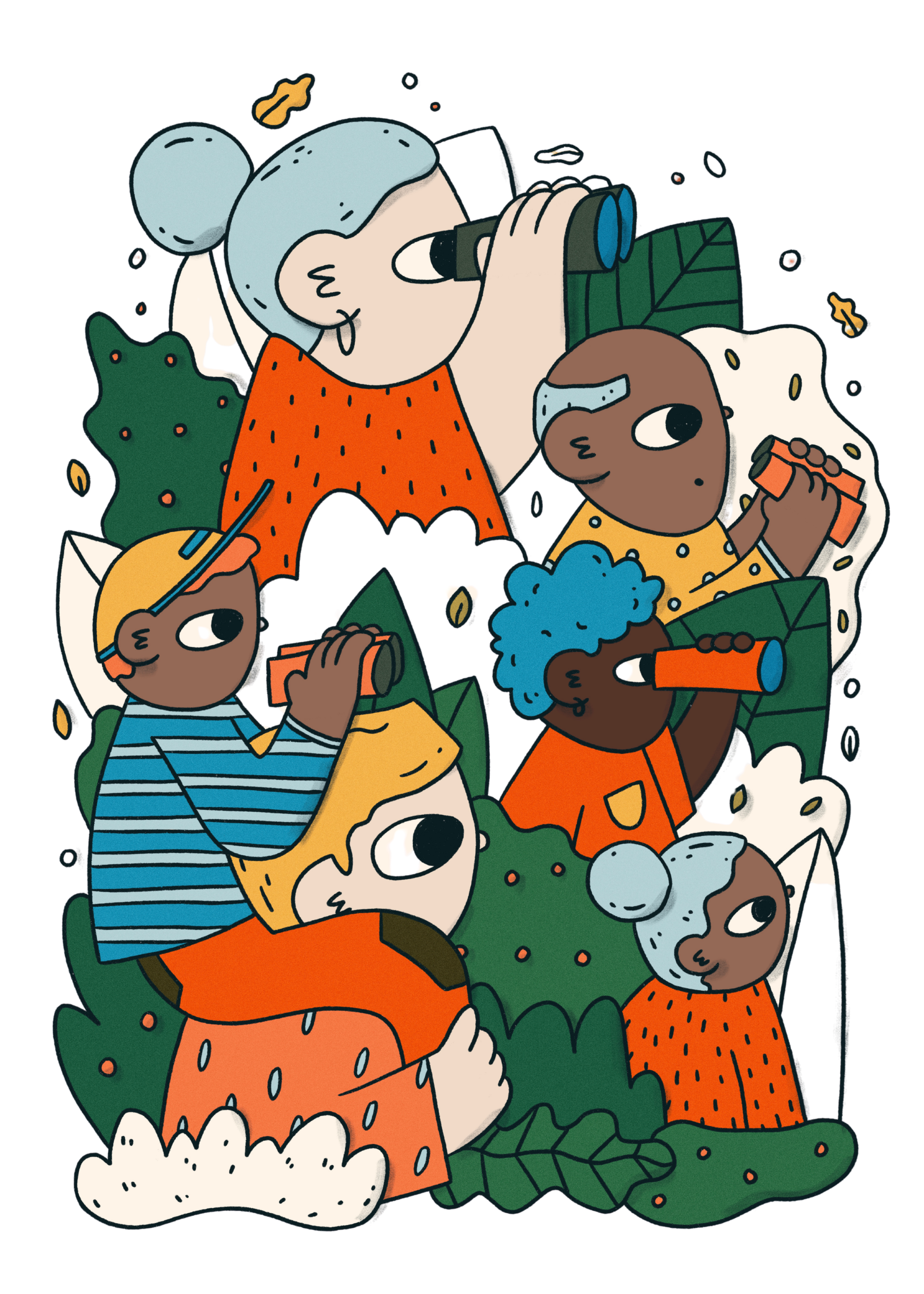
“If you don’t show people the change you want to see, their brains will fill in the gaps for you”
Choosing hope as a strategic act
“Anger mobilizes, hope organizes,” says Coombes – and this captures a key insight about emotion and strategy. All emotions are valid, but they have different effects, and as communicators we must choose them deliberately. Anger is powerful at sparking immediate action; it turns outrage into urgency. Something terrible happens – get angry now, take to the streets now, sign this petition now, demand change now. But anger burns fast. Sustained too long, it can lead to exhaustion. Movements, meanwhile, need fuel that lasts. That is where hope comes in.
In an era defined by fear-driven politics and constant crisis, choosing to orient activism around hope is a strategic decision to shape culture, not just react to it, and to build futures that people can see themselves inhabiting.
Hope-based comms do not promise easy success. Instead, this new philosophy asks movements to invest in slower, deeper work that aligns strategy with how humans actually change. It challenges practitioners to move beyond the comfort of critique and into the more demanding task of imagination – and, in doing so, to set themselves up to win.
“Anger mobilizes, hope organizes”
For more insights and strategies follow Thomas Coombes by subscribing to his hope-based Substack.
You could start with this collection of books that inspired the hope-based approach.
See all the latest hope-based stuff here.
〰️
〰️
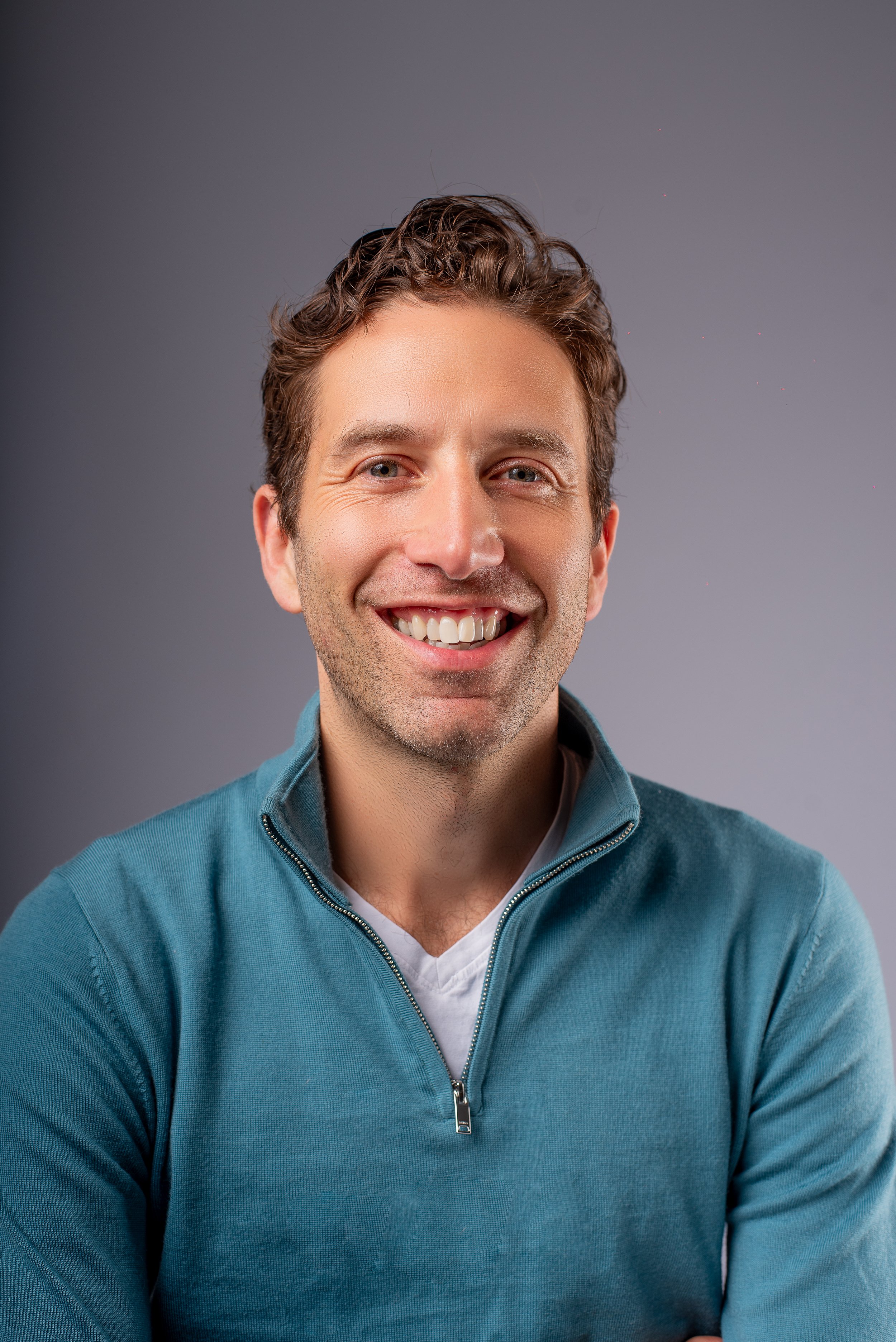
About Thomas:
Thomas Coombes (“the hope guy”) is on a mission to apply brain science to activism, so that we make compassion common sense. He is the creator of hope-based, a five-shift approach he uses to help changemakers shift from reactive campaigning towards strategies based on attitude, behavior and culture change. He has spent two decades in global political communication, including roles as Head of Brand at Amnesty International and speechwriter at the European Commission