Creating successful women’s rights communications using science

Why do messages about women’s rights sometimes provoke defensiveness instead of dialogue? Why do facts that feel obvious to advocates fail to persuade – or even deepen opposition?
Psychology and neuroscience offer an important insight: resistance is often not about disagreement, but about protection. When people feel that their identity, belonging, or moral standing is under threat, the brain moves quickly to defend itself.
Dr. Asia Eaton, a social psychologist and interim Executive Director of Mindbridge who led one of our recent capacity-building sessions with key women-rights orgs from across Europe, notes that she approaches communications as a practice grounded in psychology – one that helps explain why people resist change, and how messages can be designed to reduce defensiveness, build empathy, and move people to action.
Founded to bridge science and social change, Mindbridge works with human rights defenders to translate insights from brain and behavioral science into real-world advocacy, with a particular focus on strategic framing.
Psychology and neuroscience offer an important insight: resistance is often not about disagreement, but about protection. When people feel that their identity, belonging, or moral standing is under threat, the brain moves quickly to defend itself.

Identity shapes how messages land
One of the core ideas behind effective messaging rooted in science is deceptively simple: people do not encounter messages as neutral observers. They receive them through the lens of who they are in that moment. “It’s not just what you say – it’s who we are when we hear it,” Eaton explains.
Research on social identity shows that people move fluidly between different identities – personal, social, human – depending on context. When a message feels aligned with an in-group identity, it is more likely to be welcomed. When it feels like a challenge to that identity, it is more likely to be resisted, even if it is factually accurate.
That’s why the same message about abortion access, gender equality, or bodily autonomy can be interpreted so differently across audiences. Identity acts as a filter, shaping what feels acceptable, threatening, or irrelevant.
The role of psychological “guardians”
Mindbridge describes resistance through the concept of ‘guardians’ – cognitive defense mechanisms that protect deeply held beliefs and maintain a sense of safety. These guardians are not simply opinions or biases. They are automatic responses designed to maintain psychological stability.
When a message feels threatening, the guardians step in quickly. This can look like denial, minimization, deflection, moral reframing, or disengagement. Importantly, this reaction happens before rational debate begins.
From a communications perspective, this means that pushing harder – with more facts, sharper language, or moral urgency – often backfires. As Eaton puts it plainly: “Force activates guardians.”
Pushing harder – with more facts, sharper language, or moral urgency – often backfires.

What defensiveness actually needs
Eaton explains how to distinguish between how defensiveness behaves and what it actually needs. Defensiveness may show up as not listening, justify existing views, or dismiss other experiences. But underneath, it is often driven by fear – fear of losing social belonging, moral standing, or a sense of control.
What disarms defensiveness is not agreement, but validation. Validation does not mean conceding values or diluting demands. It means signaling respect and curiosity before asking someone to reconsider their position. When people feel seen rather than judged, their nervous system is more likely to stay open to new information.

Recognizing common “guardian” patterns
In women’s rights debates and not only, certain guardians appear again and again. Mindbridge identifies four recurring archetypes:
The Protector of Purity, which frames women’s autonomy as moral failure and positions sacrifice or motherhood as women’s highest role.
Guardian of the Status Quo, which minimizes urgency by labeling gender justice as “too political” or “too controversial.”
The Narrator of Narrow Stories, which reduces systemic harm to exceptions and anecdotes.
The Mythmaker of Innocence, which denies ongoing injustice by insisting that progress has already been achieved.
These guardians often cloak themselves in neutrality, care, or common sense. Recognizing them allows communicators to shift from confrontation to strategic engagement – working around defenses rather than colliding with them.
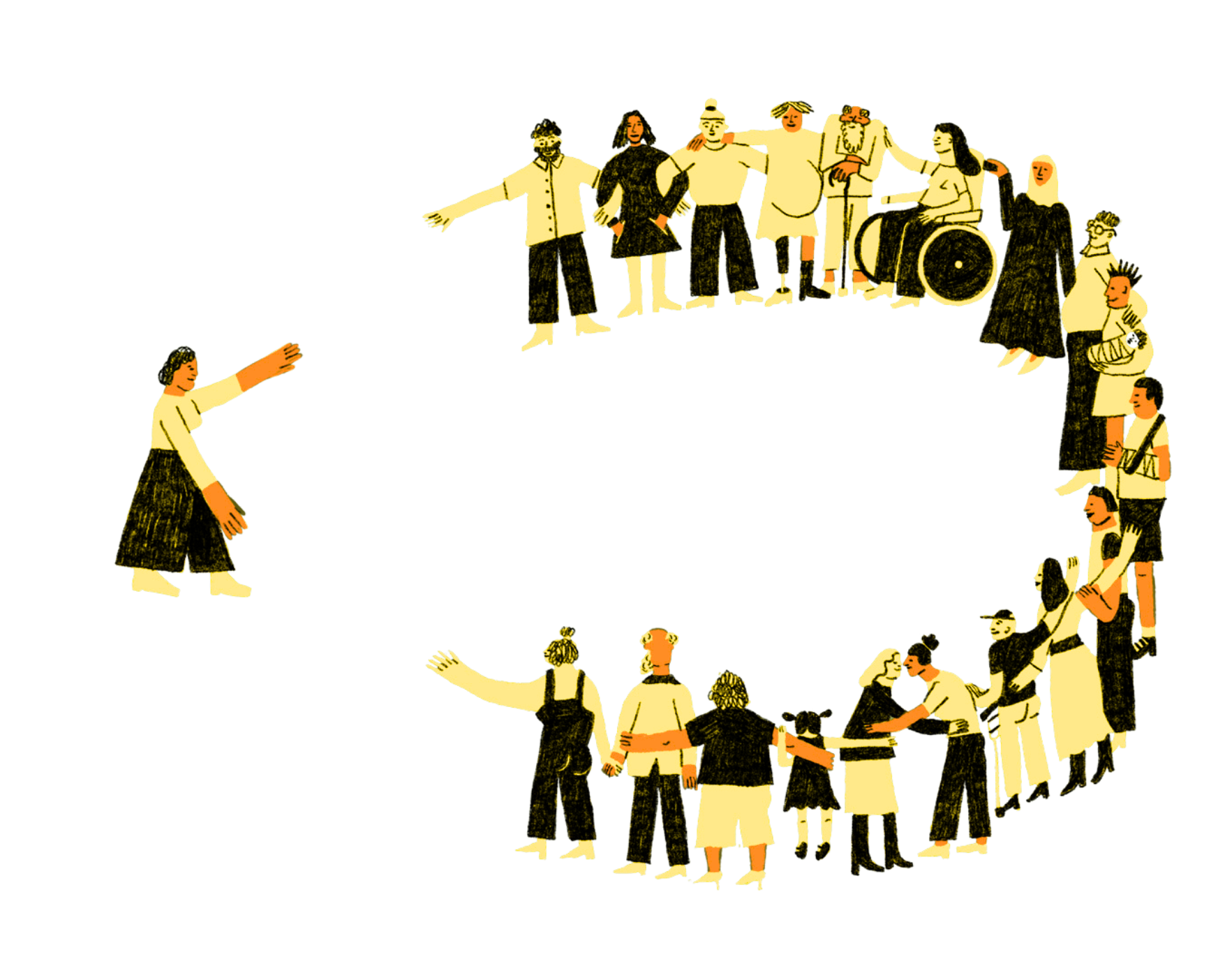
What disarms defensiveness is not agreement, but validation. Validation does not mean conceding values or diluting demands. It means signaling respect and curiosity before asking someone to reconsider their position. When people feel seen rather than judged, their nervous system is more likely to stay open to new information.
From opposition to engagement
The goal, Eaton argues, is not to defeat guardians but to lower their perceived threat. This can involve:
Surfacing shared values before introducing challenge
Humanizing experiences rather than leading with abstraction
Naming the cost of inaction, not just the moral case for action
Offering low-barrier ways to engage that don’t demand immediate ideological alignment
By easing people back into engagement without demanding deep emotional exposure, we work around the guardian instead of forcing it to fight back.
This approach requires patience – and care for those doing the communicating. Women’s rights advocacy often takes place under conditions of exhaustion, backlash, and grief. Understanding psychological defenses does not remove that burden, but it can help organization’s teams design campaigns that sustain engagement over time.
〰️
〰️
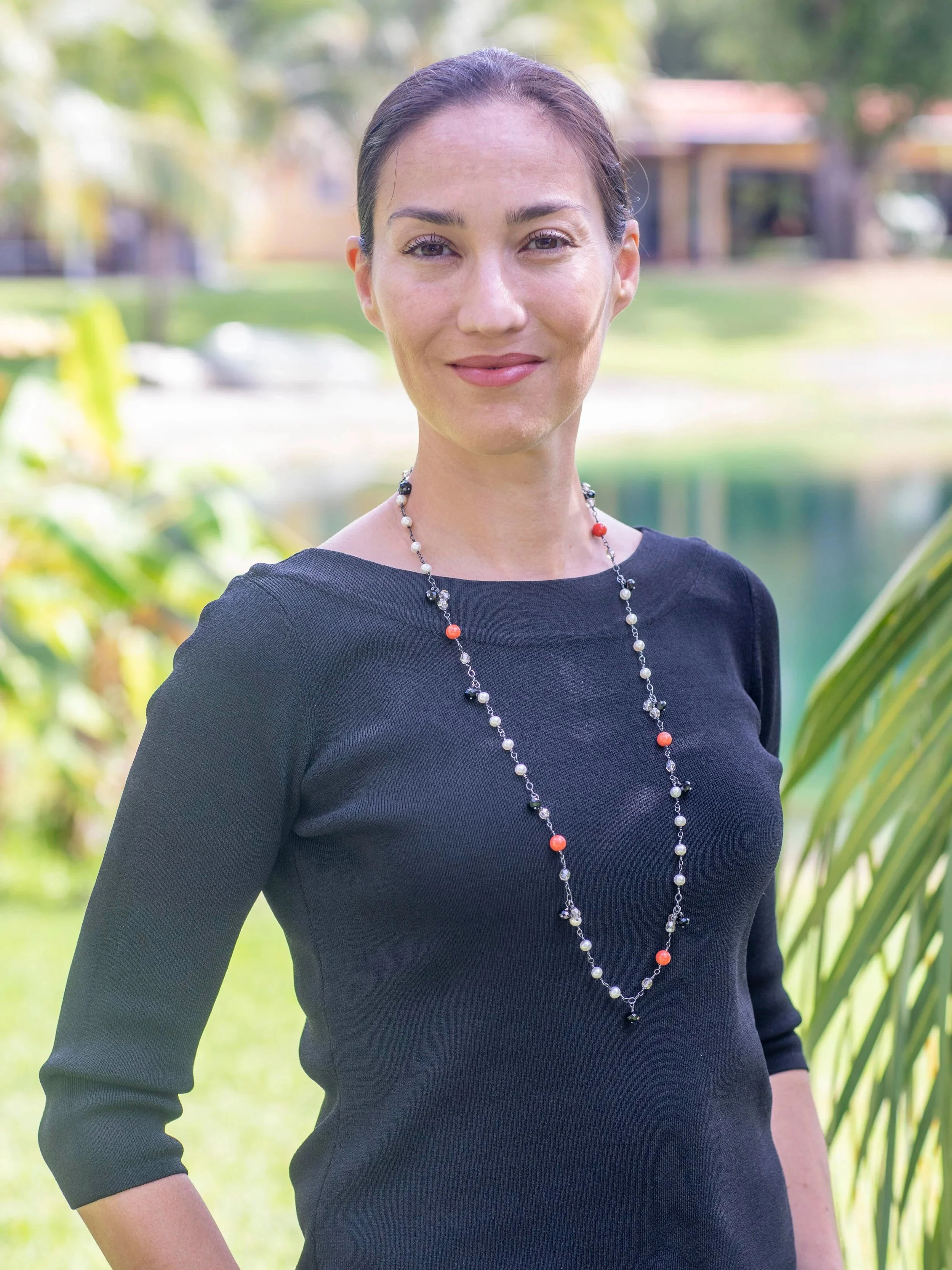
About Asia:
Dr. Asia Eaton is a Professor of Psychology at Florida International University (FIU) and interim Executive Director of Mindbridge, a leading non-profit using brain and behavioral science to empower human rights defenders. Her research explores how gender intersects with identities such as race, sexual orientation, and class to affect individuals’ access to and experience with power. Her work has been funded by the National Science Foundation, featured in outlets like the New York Times, Forbes, and BBC News, and resulted in invited talks at the White House, the U.N., Meta, Google, and universities around the globe.